
Osimert 80 mg is a prescription oral targeted antineoplastic medication containing osimertinib mesylate (equivalent to 80 mg of osimertinib free base). Manufactured by Everest Pharmaceuticals Ltd. under strict World Health Organization Good Manufacturing Practices (WHO-GMP), Osimert 80 mg is the internationally recognized generic equivalent of the innovator oncology drug brand name Tagrisso® (AstraZeneca).
As a third-generation, irreversible Epidermal Growth Factor Receptor (EGFR) Tyrosine Kinase Inhibitor (TKI), Osimert 80 mg is clinically indicated for adult patients with Non-Small Cell Lung Cancer (NSCLC) harboring specific EGFR mutations, including exon 19 deletions, exon 21 L858R substitutions, and the acquired T790M gatekeeper resistance mutation. For international patients and self-paying individuals facing significant financial barriers to cancer care, understanding the price of Osimert 80 mg, its verified clinical indications, bioequivalence, and administration protocol is essential for safe, affordable, and continuous oncology therapy.
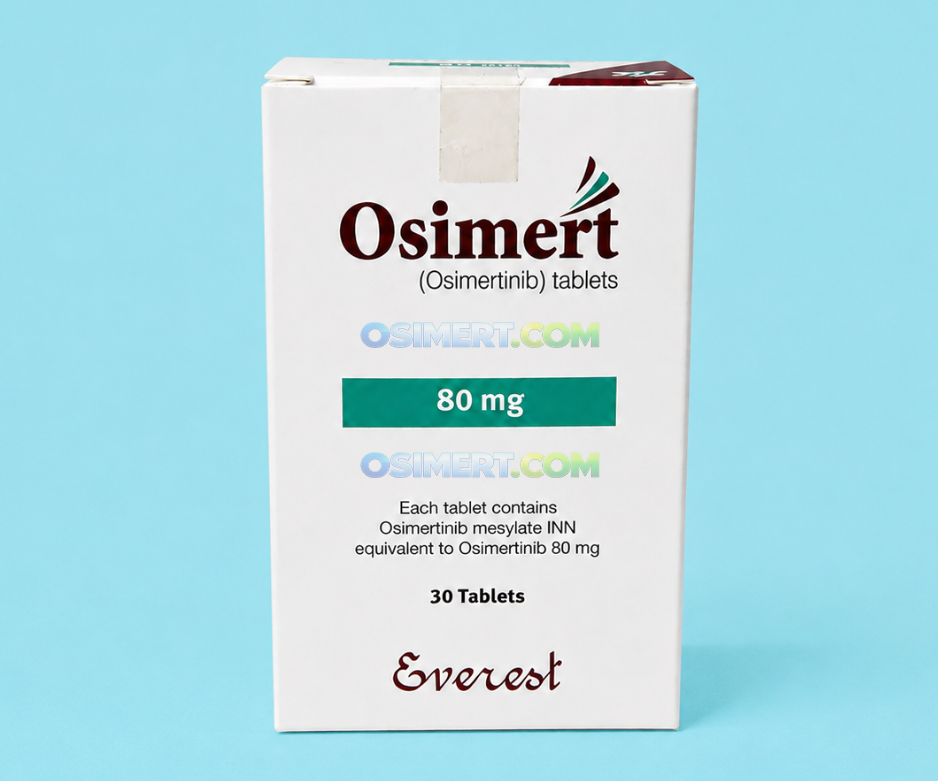
| Specification Attribute | Clinical & Manufacturing Details |
|---|---|
| Brand Name | Osimert 80 mg |
| Generic / Active Ingredient | Osimertinib (as Osimertinib Mesylate INN) |
| Chemical Formulation | N-(2-{2-(dimethylamino)ethylamino}-4-methoxy-5-{[4-(1-methyl-1H-indol-3-yl)pyrimidin-2-yl]amino}phenyl)prop-2-enamide mesylate |
| Available Strength | 80 mg per film-coated tablet (also produced in 40 mg strength) |
| Dosage Form | Oral film-coated tablet |
| Innovator Reference Drug | Tagrisso® (AstraZeneca Pharmaceuticals LP) |
| Manufacturer | Everest Pharmaceuticals Ltd., Dhaka, Bangladesh |
| Quality & Manufacturing Standards | WHO-GMP certified, ISO 9001, DGDA-approved facility |
| Packaging Configuration | 30 film-coated tablets per moisture-resistant HDPE container |
| Therapeutic Classification | Third-generation EGFR Tyrosine Kinase Inhibitor (ATC: L01EB04) |
| Prescription Status | Rx-only (prescription required; YMYL compliant) |
| Storage Specifications | Store at 20°C to 25°C (68°F to 77°F); excursions permitted between 15°C and 30°C. Keep the container tightly closed with desiccant. |
What Is Osimert 80 mg (Osimertinib Mesylate)?
Osimert 80 mg is a precision-targeted oral cancer therapy developed to inhibit specific abnormal proteins that drive the proliferation of tumor cells in non-small cell lung cancer. Unlike conventional chemotherapy, which circulates systemically and attacks both healthy and cancerous rapidly dividing cells, targeted therapy with an EGFR inhibitor, osimertinib, acts selectively on malignant cells bearing defined genetic alterations in the EGFR pathway.
Active Pharmaceutical Ingredient & Manufacturing Standards by Everest
The active pharmaceutical ingredient in Osimert is osimertinib mesylate. Every commercial batch of osimert 80 mg Everest is formulated and packaged in Dhaka, Bangladesh, by Everest Pharmaceuticals Ltd, an advanced oncology manufacturing facility compliant with World Health Organization Good Manufacturing Practices (WHO-GMP).
To ensure identical clinical performance to the reference drug, generic osimertinib undergoes comprehensive high-performance liquid chromatography (HPLC) testing, mass spectrometry impurity profiling, and dissolution assaying. These quality controls confirm that Osimert meets stringent international standards for active drug purity, disintegration time, and batch-to-batch consistency.
Innovator Comparison: Osimert vs. Brand Name Tagrisso
Osimert 80 mg is formulated with the exact active therapeutic moiety present in brand-name Tagrisso. Both medications are delivered as oral film-coated tablets designed to provide consistent systemic bioavailability.
| Clinical Feature | Generic Osimert 80 mg | Innovator Tagrisso® 80 mg |
|---|---|---|
| Active Chemical Compound | Osimertinib mesylate | Osimertinib mesylate |
| Molecular Structure & Weight | Identical (C28H35N7O2⋅CH4O3S, 595.71 g/mol) | Identical (C28H35N7O2⋅CH4O3S, 595.71 g/mol) |
| Therapeutic Target | EGFR sensitizing & T790M resistance mutations | EGFR sensitizing & T790M resistance mutations |
| Route of Administration | Oral (tablet) | Oral (tablet) |
| Standard Dosing Schedule | 80 mg once daily | 80 mg once daily |
| Blood-Brain Barrier Penetration | Proven significant CNS uptake | Proven significant CNS uptake |
| Manufacturing Source | Everest Pharmaceuticals Ltd. (Bangladesh) | AstraZeneca Pharmaceuticals LP (Sweden/UK) |
| Primary Advantage | Economic affordability & global access | Initial originator clinical trials & market registration |
Osimert 80 mg Price Comparison & Global Cost Breakdown
For patients diagnosed with EGFR-positive lung cancer, the financial burden of targeted oral oncolytics can present a severe barrier to treatment continuity. The osimert 80 mg price represents a breakthrough in global healthcare equity, offering access to advanced targeted therapy at a fraction of the cost of originator medications.
Why Does Osimert 80 mg Cost Significantly Less Than Tagrisso?
The price disparity between generic Osimert and brand-name Tagrisso is driven by pharmaceutical development economics rather than therapeutic differences:
- R&D Amortization: Innovator pharmaceutical companies invest billions of dollars into drug discovery, preclinical development, and multi-center regulatory clinical trials, pricing their branded medications to recover these investments while under patent exclusivity.
- Patent Expiry & Compulsory Licensing Frameworks: Manufacturers in compliant jurisdictions operate within international trade frameworks and domestic patent structures (such as TRIPS flexibilities for developing nations), allowing generic manufacturers like Everest Pharmaceuticals to produce the exact molecule without billions in initial discovery overhead.
- Streamlined Production: Everest focuses capital directly on synthesis, WHO-GMP-compliant manufacturing, and distribution, allowing the final osimertinib price to reflect production and operational costs rather than extended patent premiums.
Legal Importation via Named Patient Program (NPP)
Under international medicine regulation guidelines, including US FDA 21 CFR 312.110 (Personal Importation Policy), UK MHRA import rules, and equivalent provisions across the EU, Australia, and Asia, patients suffering from life-threatening conditions may legally import non-locally registered, life-saving oncology medicines for personal use.
To order Osimert 80 mg legitimately under a Named Patient Program, patients must provide:
- Valid Prescription: A signed, current prescription issued by a licensed oncologist specifying the generic drug name (osimertinib) and exact 80 mg daily dosage.
- Medical History: A clinical diagnosis report confirming EGFR-mutated non-small cell lung cancer and biomarker test verification.
- Patient Identification: Valid government-issued photo ID or passport matching the prescription details.
- Import Clearance Documentation: Destination-specific customs documentation or import permits where mandated by the national health authority.
Clinical Indications in Non-Small Cell Lung Cancer (NSCLC)
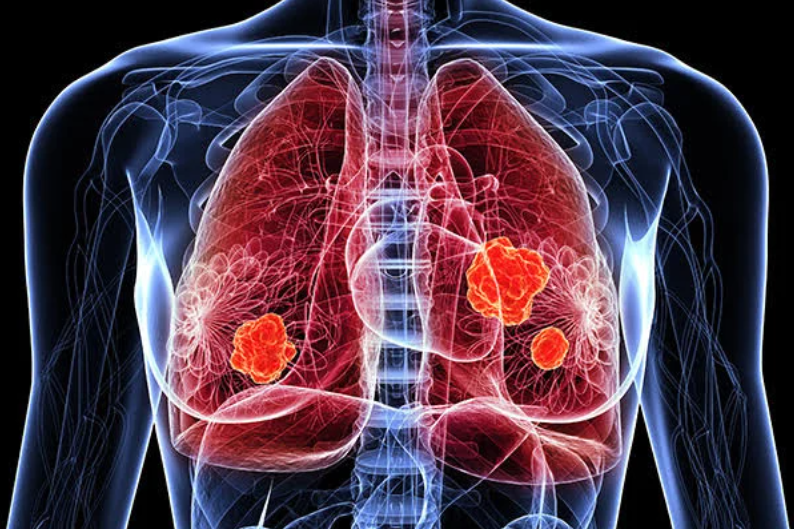
Osimert 80 mg is prescribed exclusively for patients whose lung cancer has undergone certified molecular testing confirming activating EGFR mutations. It is not indicated for wild-type EGFR tumors or non-EGFR lung cancer histologies (such as small cell lung cancer or ALK-rearranged tumors).
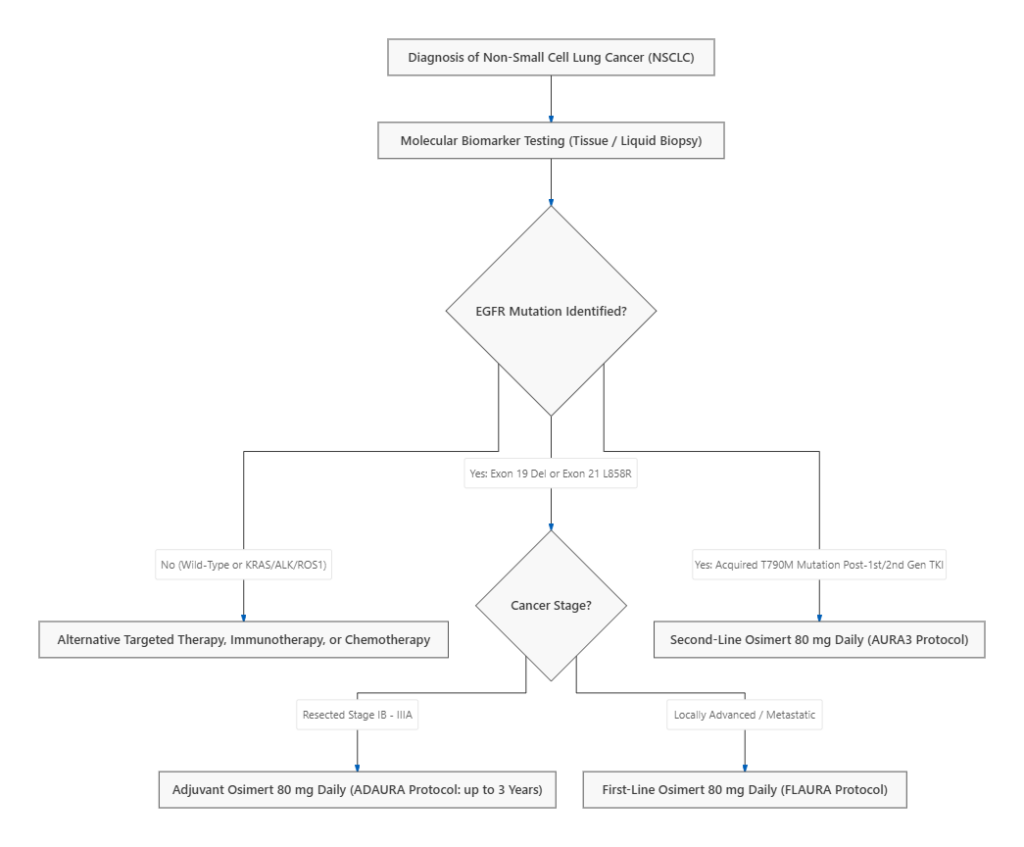
Adjuvant Therapy for Resected Early-Stage NSCLC (ADAURA Protocol)
Following complete surgical resection (with or without prior adjuvant platinum-based chemotherapy), Osimert 80 mg is administered once daily to adult patients with Stage IB to IIIA NSCLC whose tumors express EGFR exon 19 deletions or exon 21 L858R substitutions.
- Clinical Trial Benchmark: In the Phase III ADAURA trial, adjuvant osimertinib demonstrated an 80% reduction in the risk of disease recurrence or death (Disease-Free Survival Hazard Ratio [HR] = 0.20; 95% CI: 0.15–0.27; P<0.001) compared to placebo, alongside a statistically significant improvement in overall survival.
- Treatment Duration: Continued until disease recurrence, unacceptable toxicity, or completion of up to 3 full years (36 months).
2. First-Line Treatment for Metastatic EGFR-Mutated NSCLC (FLAURA Protocol)
Osimert 80 mg serves as the frontline standard-of-care monotherapy for patients presenting with locally advanced or metastatic (Stage IV) NSCLC harboring classical sensitizing EGFR mutations.
- Clinical Trial Benchmark: In the landmark Phase III FLAURA trial, osimertinib demonstrated a median Progression-Free Survival (PFS) of 18.9 months compared to 10.2 months for earlier-generation EGFR-TKIs (gefitinib or erlotinib) (HR = 0.46; P < 0.001).
- Overall Survival Benefit: Median overall survival reached 38.6 months in the osimertinib cohort versus 31.8 months in the comparator group, establishing osimertinib as the preferred Category 1 frontline targeted agent in NCCN guidelines.
3. Second-Line Treatment for EGFR T790M Resistance Mutations (AURA3 Protocol)
Approximately 50% to 60% of lung cancer patients treated with first-generation (erlotinib, gefitinib) or second-generation (afatinib) TKIs eventually experience disease progression due to an acquired secondary mutation known as T790M in exon 20 of the EGFR kinase domain.
- Clinical Trial Benchmark: In the Phase I AURA3 trial, patients with confirmed T790M-positive metastatic NSCLC who received osimertinib achieved a median PFS of 10.1 months compared to just 4.4 months with platinum-pemetrexed doublet chemotherapy (HR = 0.32; P < 0.001), with significantly higher objective response rates (71% vs. 31%).
Osimertinib Mechanism of Action: How Does Osimert Target Lung Cancer?
Understanding the osimertinib mechanism of action explains why this third-generation agent achieves clinical responses in cases where earlier targeted therapies fail.
Selective Covalent Inhibition of EGFR Mutations
The epidermal growth factor receptor is a transmembrane glycoprotein that regulates intracellular signaling cascades governing cell growth, survival, and differentiation. In mutated lung adenocarcinomas, aberrant EGFR phosphorylation triggers continuous, uncontrolled oncogenic signaling via the MAPK/ERK and PI3K/Akt pathways.
- Irreversible Covalent Bond: Osimertinib is an aniline-pyrimidine derivative structurally optimized to form an irreversible, covalent chemical bond with the specific cysteine residue 797 (C797) in the ATP-binding pocket of EGFR.
- Overcoming the T790M Gatekeeper: The T790M “gatekeeper” mutation introduces a bulky methionine side chain at position 790, which sterically hinders first-generation TKIs and restores the receptor’s affinity for normal cellular ATP. Osimertinib bypasses this steric hindrance, maintaining high-affinity covalent binding and shutting down downstream kinase activity.
- Wild-Type Sparing Effect: Earlier EGFR inhibitors bind non-selectively to both mutated cancer cells and wild-type (normal) EGFR found in the skin and gastrointestinal tract, leading to debilitating rash and severe diarrhea. Osimertinib exhibits marked selectivity for mutated EGFR over wild-type EGFR, substantially improving tolerability.
Blood-Brain Barrier (BBB) Penetration and Central Nervous System (CNS) Activity
A frequent and severe complication of advanced EGFR-mutated NSCLC is the development of brain and leptomeningeal metastases. First- and second-generation TKIs are poor substrates for central nervous system penetration due to active drug efflux by P-glycoprotein (P-gp) and breast cancer resistance protein (BCRP) at the blood-brain barrier.
Osimertinib exhibits superior passive membrane permeability and lower relative affinity for efflux transporters, resulting in significant blood-brain barrier penetration. In clinical evaluations, osimertinib achieved objective intracranial response rates exceeding 70% to 80% in patients with measurable brain metastases, effectively controlling central nervous system disease and delaying intracranial progression.
Dosage, Administration Protocol, and Dose Adjustments
Standard Daily Dosing Schedule
- Prescribed Dose: The recommended dose is Osimert 80 mg orally once daily.
- Administration Timing: The tablet should be swallowed whole with water at approximately the same time each day. It can be taken with or without food.
- Integrity of Tablet: The film-coated tablet must not be crushed, split, or chewed during standard administration.
Step-by-Step Preparation for Patients with Swallowing Difficulties (Dysphagia)
For patients who cannot swallow whole solid tablets, or those receiving nutrition via a nasogastric (NG) tube, Osimert 80 mg can be dispersed using a strict medical protocol. The tablet does not chemically dissolve, but disperses into small, suspended particles:
- Place the intact Osimert 80 mg tablet into a clean glass container.
- Add 60 mL (approximately 2 fluid ounces) of room-temperature non-carbonated water. Do not use juice, milk, carbonated beverages, or hot liquids.
- Stir gently until the tablet breaks apart into a fine particulate suspension. Do not crush, heat, or use ultrasonic tools to disperse the tablet.
- Have the patient swallow the liquid suspension immediately.
- Add another 120 mL to 240 mL (4 to 8 fluid ounces) of water to the same glass, swirl thoroughly to capture any remaining drug residue, and drink immediately.
- For Nasogastric (NG) or Gastrostomy Tube Delivery: Disperse the tablet in 60 mL of non-carbonated water using an appropriate enteral syringe, administer into the tube, and immediately flush the line with a minimum of 15 mL to 30 mL of water to ensure complete dose delivery.
Management of Missed Doses
- If a scheduled dose of Osimert 80 mg is missed:
- If the next scheduled dose is more than 12 hours away, take the missed dose immediately.
- If the next scheduled dose is less than 12 hours away, skip the missed dose entirely and resume the normal dosing schedule the next day.
- Never take a double dose or two tablets on the same day to make up for a missed tablet.
Safety Profile, Side Effects, and Clinical Management
While generic osimertinib spares wild-type EGFR better than older TKIs, adverse reactions still occur. Proactive symptom monitoring ensures treatment can continue safely without premature interruption.
Common and Manageable Adverse Reactions
These side effects are predominantly Grade 1 or 2, occurring in a significant percentage of patients, and can typically be managed with standard supportive measures:
- Diarrhea (approx. 45%–58%): Generally mild to moderate. Patients should maintain oral hydration and take over-the-counter loperamide at the first sign of loose stools, following their care team’s guidance.
- Cutaneous Rash and Acneiform Dermatitis (approx. 40% 50%): Appears primarily on the face, chest, and back. Managed with alcohol-free moisturizing creams, topical clindamycin 1%, and sun protection (SPF 50+).
- Dry Skin (Xerosis) and Pruritus (approx. 30% 35%): Preventative use of thick, unscented emollient ointments immediately after bathing.
- Nail Bed Inflammation (Paronychia) (approx. 25% 35%): Swelling, redness, or tenderness around fingernails or toenails. Keep nails trimmed short; soak affected digits in warm water with mild antiseptic; avoid harsh household chemicals.
- Stomatitis / Mouth Sores (approx. 15% 20%): Oral rinses with non-alcoholic sodium bicarbonate solution. Avoid acidic, salty, or heavily spiced foods.
- Fatigue and Decreased Appetite (approx. 15% 20%): Plan balanced rest periods and small, frequent protein-rich meals throughout the day.
Serious Adverse Effects Requiring Immediate Medical Attention
Although less common, the following conditions represent significant clinical risks that require immediate medical evaluation.
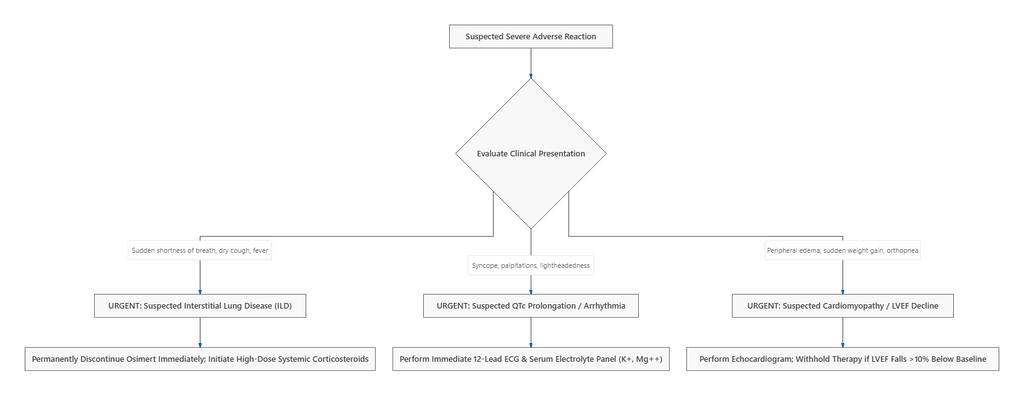
- Interstitial Lung Disease (ILD) / Pneumonitis (Occurs in 3.5% of patients):
- Symptoms: New or acutely worsening shortness of breath, persistent non-productive cough, chest discomfort, or unexplained fever.
- Action: Permanently discontinue Osimert 80 mg immediately. Confirmed drug-induced pneumonitis carries a risk of fatality and warrants prompt systemic corticosteroid therapy.
- Cardiac QTc Interval Prolongation & Arrhythmias (Occurs in 1% 3% of patients):
- Symptoms: Palpitations, sudden dizziness, lightheadedness, or syncope.
- Action: Withhold treatment if QTc exceeds 500 milliseconds across repeat electrocardiograms (ECGs). Correct underlying hypokalemia or hypomagnesemia before resuming at a reduced dose (40 mg).
- Cardiomyopathy / Left Ventricular Dysfunction (Occurs in 2% 3% of patients):
- Symptoms: Shortness of breath when lying flat, swelling of the ankles or lower legs, sudden unexplained weight gain.
- Action: Withhold therapy if absolute Left Ventricular Ejection Fraction (LVEF) drops by more than 10% from baseline and falls below 50%.
- Keratitis and Corneal Perforation (Occurs in <1% of patients):
- Symptoms: Severe eye pain, acute light sensitivity (photophobia), blurred vision, or intense eye redness.
- Action: Immediate ophthalmologic evaluation. Contact lens use should be paused during treatment if ocular inflammation develops.
Dose Interruption and Reduction Guidelines for Toxicity
When clinically indicated, daily dosage may be titrated down from 80 mg to 40 mg once daily using the following protocol:
| Adverse Reaction & Severity Grade | Action Protocol for Osimert Therapy | Resumption Guidance |
|---|---|---|
| Interstitial Lung Disease (ILD) / Pneumonitis (Any Grade) | Permanently discontinue therapy immediately. | Do not resume. |
| QTc Prolongation > 500 ms (Without life-threatening arrhythmia) | Withhold Osimert until QTc interval returns to < 481 ms or baseline. | Resume at reduced dose of 40 mg once daily. |
| QTc Prolongation with Arrhythmia (Torsades de pointes, ventricular tachycardia) | Permanently discontinue therapy immediately. | Do not resume. |
| Cardiomyopathy (Symptomatic Congestive Heart Failure) | Permanently discontinue therapy immediately. | Do not resume. |
| Cardiomyopathy (Asymptomatic LVEF drop ≥10% and <50%) | Withhold Osimert for up to 4 weeks until LVEF recovers to ≥50%. | If recovered, resume at 40 mg daily or 80 mg per oncologist review. If not recovered within 4 weeks, discontinue permanently. |
| Other Grade 3 or 4 Adverse Reactions (e.g., severe diarrhea, cutaneous rash) | Withhold Osimert for up to 3 weeks until reaction resolves to Grade 0–2. | Resume at 80 mg or reduce to 40 mg daily based on toxicity resolution. If unresolved after 3 weeks, discontinue. |
Critical Warnings, Precautions, and Contraindications
Pulmonary Toxicity Monitoring
Patients with a clinical history of idiopathic pulmonary fibrosis, drug-induced pneumonitis, or radiation pneumonitis require heightened vigilance. Baseline pulmonary status must be documented before starting therapy.
Cardiac Safety & Baseline Electrolytes
Before initiating Osimert 80 mg, patients should undergo a baseline 12-lead ECG and echocardiogram (or MUGA scan) to measure resting LVEF. Periodic monitoring should continue during therapy, especially for patients with congenital long-QT syndrome, congestive heart failure, or those taking concurrent QTc-prolonging therapies. Correct hypokalemia, hypomagnesemia, and hypocalcemia before starting treatment.
Severe Cutaneous Adverse Reactions (SCARs)
Cases of Stevens-Johnson syndrome (SJS), toxic epidermal necrolysis (TEN), and Erythema Multiforme have been reported with EGFR inhibitors. Withhold therapy immediately upon suspicion of systemic blistering or mucosal detachment.
Absolute Contraindications
Osimert 80 mg is strictly contraindicated in patients with known severe hypersensitivity to osimertinib mesylate or any of the inactive ingredients of the formulation.
Drug Interactions and Dietary Considerations
Osimertinib is primarily metabolized in the liver via cytochrome CYP3A4 and CYP3A5 pathways, with secondary contributions from CYP2C9.
Strong CYP3A4 Inducers (Substantial Efficacy Loss)
Concomitant administration of agents that induce CYP3A enzyme activity accelerates the metabolism of osimertinib, causing a clinically significant drop in systemic plasma exposure (AUC) and risking therapeutic failure.
- Avoid Co-administration With: Rifampin, carbamazepine, phenytoin, phenobarbital, and the herbal supplement St. John’s Wort (Hypericum perforatum).
- Clinical Management: If a strong CYP3A4 inducer is essential and cannot be substituted, the treating oncologist may consider increasing the dose of Osimert from 80 mg to 160 mg daily while the inducer is co-administered, returning to 80 mg daily approximately 3 weeks after the inducer is stopped.
Strong CYP3A4 Inhibitors (Elevated Toxicity Risk)
Co-administration with potent CYP3A4 inhibitors can elevate circulating plasma concentrations of osimertinib, increasing the frequency and severity of toxicities (including QTc prolongation and diarrhea).
- Examples: Ketoconazole, itraconazole, voriconazole, clarithromycin, and ritonavir.
- Clinical Management: While dose reduction is not routinely required upfront, closer clinical monitoring (routine ECGs, electrolyte checks, and liver function panels) is strongly advised.
Medications That Prolong the QT Interval
Avoid concomitant use of medicines known to prolong the cardiac QTc interval:
- Antiarrhythmics: Amiodarone, sotalol, procainamide.
- Psychotropics: Haloperidol, ziprasidone, citalopram.
- Antimicrobials: Moxifloxacin, erythromycin, pentamidine.
Dietary Restrictions: Grapefruit and Seville Oranges
Patients taking Osimert 80 mg should avoid consuming grapefruit, grapefruit juice, and products containing Seville oranges. Grapefruit components (furanocoumarins) irreversibly inhibit intestinal CYP3A4 enzymes, unpredictably raising osimertinib blood levels and elevating adverse event risks.
Special Populations: Pregnancy, Lactation, and Fertility Considerations
- Embryo-Fetal Toxicity & Pregnancy: Based on its mechanism of action and animal reproduction studies, osimertinib causes severe fetal harm, post-implantation loss, and structural abnormalities when administered to pregnant women.
- Confirm negative pregnancy status before starting treatment in females of reproductive potential.
- Contraceptive Requirements: Female patients must use effective, non-hormonal or combined contraception during treatment and for at least 6 weeks after the final dose. Male patients with female partners of reproductive potential must use effective contraception during treatment and for at least 4 months following the final dose.
- Lactation: It is unknown whether osimertinib or its active metabolites distribute into human breast milk. Because of the potential for serious adverse reactions in nursing infants, breastfeeding must be discontinued during treatment with Osimert and for at least 2 weeks after the last dose.
- Hepatic Impairment: No dose adjustment is needed for patients with mild (Child-Pugh A) or moderate (Child-Pugh B) hepatic impairment. Treatment in patients with severe hepatic impairment (Child-Pugh C) has not been clinically characterized and requires specialized oncologic oversight.
- Renal Impairment: No dose adjustment is required for mild, moderate, or severe renal impairment (creatinine clearance ≥15 mL/min). Data on end-stage renal disease (dialysis dependent) are limited.
Proper Handling, Storage, and Packaging Integrity
- Storage Temperature: Store Osimert 80 mg tablets between 20°C and 25°C (68°F to 77°F). Temporary excursions between 15°C and 30°C (59°F and 86°F) are acceptable during international transport.
- Moisture Protection: Store inside the original high-density polyethylene (HDPE) bottle. Keep the silica gel desiccant canister inside the container throughout use. Keep the bottle tightly capped.
- Safe Handling & Disposal: Do not dispose of oncology medications in domestic wastewater or household trash. Utilize an official medicine take-back program or consult your dispensing pharmacy for proper medical disposal guidelines. Keep entirely out of reach of children and pets.
Frequently Asked Questions (FAQ)
Is generic Osimert 80 mg bioequivalent and identical in clinical effect to Tagrisso?
Yes. Osimert 80 mg contains the identical active pharmaceutical compound (osimertinib mesylate) at the same 80 mg dosage strength as Tagrisso. Produced by Everest Pharmaceuticals Ltd. in a WHO-GMP-certified and internationally audited facility, generic osimertinib demonstrates matching active chemical purity, dissolution rates, and therapeutic pharmacokinetics, delivering equivalent inhibition of EGFR-mutant cancer pathways.
What is the exact difference between Osimert 80 mg and 1st-generation EGFR inhibitors like erlotinib and gefitinib?
First-generation inhibitors (erlotinib, gefitinib) bind reversibly to EGFR and are vulnerable to treatment failure when cancer cells acquire the secondary T790M resistance mutation. They also lack selectivity, causing significant wild-type EGFR toxicities (severe rash, debilitating diarrhea). In contrast, Osimert 80 mg forms an irreversible covalent bond, potently inhibits both activating mutations (exon 19 del, L858R) and the T790M resistance mutation, spares normal wild-type EGFR, and crosses the blood-brain barrier to treat central nervous system (CNS) metastases.
How should Osimert 80 mg be administered to a patient who cannot swallow tablets?
Do not crush, split, or chew the tablet. Instead, place the whole 80 mg tablet in a glass containing 60 mL of non-carbonated water. Stir gently until the tablet disperses into small, suspended particles (note: it will not dissolve into a clear solution). Have the patient swallow the suspension immediately. Rinse the glass with 120 mL to 240 mL of additional water and have the patient drink it immediately to guarantee the full dose is delivered. The same dispersion method can be used for administration through a nasogastric (NG) tube.
What should I do if a dose of Osimert 80 mg is missed?
If you forget to take your daily dose, check the time. If your next scheduled dose is more than 12 hours away, take the missed tablet immediately with water. If your next dose is less than 12 hours away, skip the missed tablet entirely and take your regular dose at the normal time the following day. Never take two tablets at once to compensate for a missed dose.
Can I consume grapefruit or drink citrus juice while taking Osimert 80 mg?
Patients must avoid consuming grapefruit, grapefruit juice, and products containing Seville oranges throughout their treatment. Grapefruit contains furanocoumarins that inhibit the intestinal CYP3A4 enzyme system responsible for metabolizing osimertinib. This interaction can cause drug concentrations in the blood to rise unpredictably, increasing the risk of adverse cardiac events (such as QTc prolongation) and severe diarrhea.