
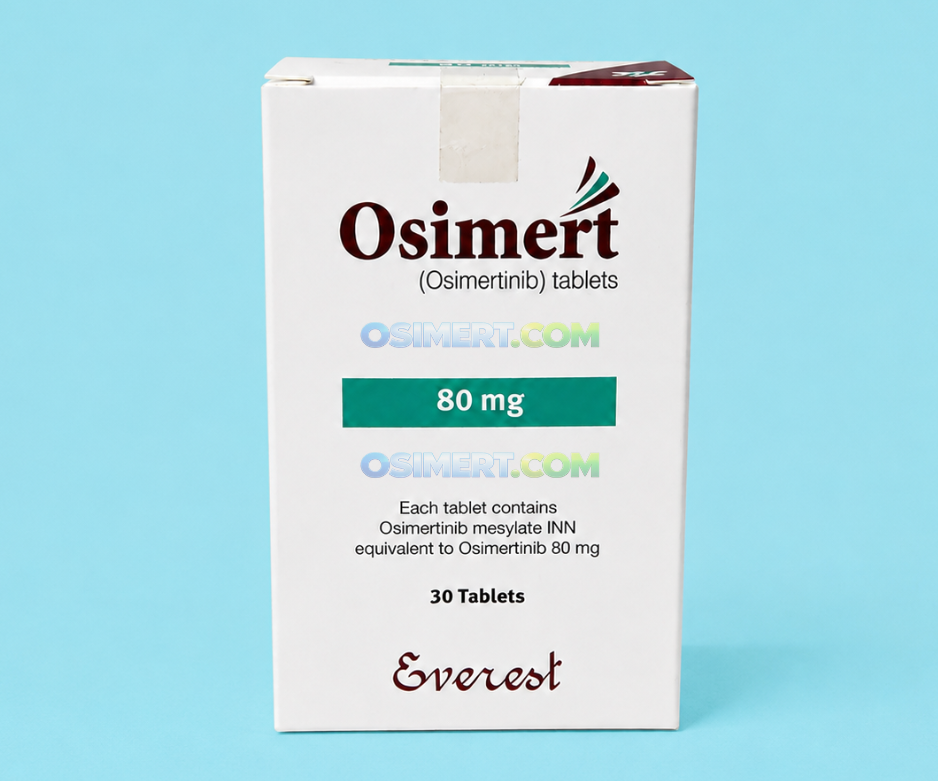
Osimert 80 mg contains osimertinib, a prescription targeted cancer medicine used for certain patients with specific EGFR mutations. The cost can vary considerably depending on the country, manufacturer, dispensing source, insurance coverage, taxes, and other factors. Because Osimertinib is an oncology medicine, price should not be the only consideration. Patients should also confirm the prescribed strength, product authenticity, storage requirements, and suitability of treatment with their healthcare team. This guide explains the main factors affecting Osimert cost, what osimertinib does, and important safety information patients should understand before treatment.
What Is Osimert 80 mg?
Osimert 80 mg is a tablet containing osimertinib, an EGFR tyrosine kinase inhibitor. Osimertinib is designed to block abnormal signaling caused by certain changes in the epidermal growth factor receptor (EGFR). These alterations can occur in some forms of non-small cell lung cancer (NSCLC). Treatment with osimertinib is generally based on the patient’s cancer diagnosis and molecular test results. Therefore, it should be used only under appropriate medical supervision.

How Much Does Osimert 80 mg Cost?
There is no single worldwide price for Osimert 80 mg. The amount a patient pays can depend on several factors:
| Cost factor | Why it matters |
|---|---|
| Country | Medicine pricing systems differ between countries |
| Manufacturer | Different manufacturers may have different prices |
| Insurance | Coverage can substantially affect out-of-pocket cost |
| Pharmacy | Dispensing and service charges can vary |
| Taxes | Local taxes may affect the final price |
| Import costs | Imported medicines may include additional expenses |
| Prescription requirements | Local regulations can affect dispensing |
| Pack size | The number of tablets supplied affects total cost |
| Treatment duration | Longer treatment can increase overall expenses |
Therefore, an online price should not automatically be considered the final amount a patient will pay.
Why Can Osimert Prices Differ So Much?
Cancer medicines can have different prices across markets because pharmaceutical pricing is influenced by regulation, manufacturing, distribution, currency exchange rates, healthcare systems, and availability. A lower listed price also does not necessarily mean that two products are equivalent from a regulatory or sourcing perspective. Patients should confirm that the product supplied matches the prescription and comes through an appropriate pharmaceutical supply chain.
What Is Osimertinib?
Osimertinib is a targeted therapy belonging to the EGFR tyrosine kinase inhibitor (TKI) class. Unlike traditional chemotherapy, targeted therapy is designed to interfere with specific molecular pathways involved in cancer-cell growth. Osimertinib is particularly important in NSCLC with certain EGFR alterations. Before treatment, physicians may use molecular testing to determine whether the tumor contains an alteration for which osimertinib is appropriate.
What Is Osimert Used For?
Osimertinib is used in specific clinical situations involving EGFR-mutated NSCLC. Depending on the indication and applicable regulatory approval, osimertinib may be used in different stages or settings of EGFR-mutated NSCLC.
The exact treatment decision depends on factors such as:
- Cancer type
- Disease stage
- EGFR mutation status
- Previous treatment
- Overall health
- Other medicines
- Physician assessment
Patients should not assume that an EGFR-targeted medicine is appropriate solely because they have lung cancer.
How Does Osimertinib Work?
EGFR is a protein involved in signals that regulate cell growth and survival. Certain EGFR mutations can cause abnormal signaling that promotes cancer-cell growth. Osimertinib blocks specific EGFR signaling pathways. This targeted mechanism is why molecular testing is important before treatment in patients whose cancer may contain an actionable EGFR alteration.
How Is Osimertinib Usually Taken?
The prescribed dose depends on the patient’s specific medical situation. For many approved adult indications, the commonly used dose is 80 mg once daily, but the appropriate regimen must be determined by the treating clinician. The tablet should be taken exactly as prescribed. Patients should not increase, decrease, stop, or restart treatment without speaking with their healthcare professional. If a dose is missed, the patient should follow the instructions provided by their oncology team or the official prescribing information rather than attempting to compensate independently.
Common Side Effects of Osimertinib
Osimertinib can cause side effects.
Commonly reported reactions include:
- Diarrhea
- Rash
- Dry skin
- Nail-related changes
- Reduced appetite
- Mouth irritation
- Fatigue
- Muscle or joint discomfort
The severity varies between patients.
Some side effects can be managed with supportive treatment, while others may require dose modification or interruption. Patients should tell their healthcare team about new or worsening symptoms.
Serious Side Effects
Although uncommon, osimertinib can cause potentially serious adverse reactions.
Important concerns include:
- Interstitial lung disease or pneumonitis
- QT-interval prolongation
- Changes in heart function
- Eye-related problems
- Severe skin reactions
- Serious gastrointestinal or other complications in particular circumstances
Patients receiving osimertinib require appropriate clinical monitoring. New breathing difficulties, significant chest symptoms, fainting, or other concerning symptoms require prompt medical attention.
Important Precautions
Before starting Osimert 80 mg, patients should tell their healthcare team about their medical history.
This may include:
- Heart problems
- Abnormal heart rhythm
- Previous lung disease
- Eye problems
- Other cancer treatments
- Current prescription medicines
- Over-the-counter medicines
- Vitamins and supplements
- Pregnancy or plans for pregnancy
The healthcare team may need additional tests before or during treatment.
Osimertinib and Drug Interactions
Osimertinib can interact with certain medicines. Examples of medicines that may require particular attention include drugs affecting liver enzymes or medicines that can influence heart rhythm. Patients should provide their healthcare professional with a complete list of medicines they take. Do not start a new prescription medicine, supplement, or herbal product without checking whether it is compatible with ongoing cancer treatment.
Monitoring During Osimertinib Treatment
Monitoring depends on the treatment plan and individual risk factors.
A healthcare team may monitor:
- Treatment response
- Symptoms
- Blood tests
- Heart function
- Electrocardiogram findings when appropriate
- Lung symptoms
- Skin reactions
- Eye symptoms
The purpose of monitoring is to identify treatment response and possible complications early.
Osimertinib Compared With Other EGFR Treatments
| Feature | Osimertinib | Other EGFR-targeted therapies |
|---|---|---|
| Drug class | EGFR TKI | Varies |
| Molecular target | EGFR | Depends on medicine |
| Suitable patients | Specific EGFR-altered cancers | Depends on molecular findings |
| Prescription required | Yes | Generally yes |
| Monitoring | Required | Required |
| Treatment choice | Individualized | Individualized |
There is no universally “best” EGFR medicine for every patient. Treatment selection depends on the specific mutation, disease setting, previous therapy, patient characteristics, and current clinical evidence.
Lifestyle Considerations During Treatment
Lifestyle measures do not replace cancer treatment, but healthy habits can support general wellbeing.
Patients may benefit from:
- Eating a balanced diet
- Maintaining adequate hydration
- Staying physically active as tolerated
- Getting sufficient rest
- Avoiding tobacco
- Following the oncology team’s recommendations
- Keeping scheduled appointments
- Reporting significant side effects promptly
Patients undergoing cancer treatment should ask their healthcare team before making major dietary or supplement changes.
How Can Patients Evaluate the Cost of Osimert?
The cost of Osimert 80 mg (osimertinib) can vary substantially between healthcare systems and individual patients. Because osimertinib is a prescription oncology medicine, patients should evaluate the overall treatment cost and legitimate coverage options, rather than choosing treatment based only on the lowest advertised price.
Why Authenticity Matters
For prescription cancer medicines, product authenticity is particularly important. Patients should obtain medicines through appropriate, regulated pharmaceutical channels and check the packaging carefully.
Important information can include:
- Product name
- Strength
- Manufacturer
- Batch or lot number
- Expiry date
- Packaging condition
- Registration information where applicable
If there is any concern about a medicine’s authenticity, patients should speak with a qualified pharmacist or their healthcare provider before using it.
Expert Recommendations
Osimertinib should be treated as a specialist prescription medicine rather than a routine tablet. The most important considerations are:
First, confirm the indication.
Treatment should be based on an appropriate cancer diagnosis and molecular findings.
Second, confirm the prescription.
The strength and dosing schedule should come directly from the treating clinician.
Third, consider the total treatment cost.
The tablet price is only one component of cancer-care expenses.
Fourth, prioritize legitimate sourcing.
Patients should use appropriate pharmaceutical channels and seek pharmacist assistance if authenticity is uncertain.
Finally, monitor for adverse effects.
Early communication with the oncology team can help manage treatment-related problems appropriately.
Conclusion
The cost of Osimert 80 mg can vary because of country, manufacturer, pharmacy, insurance, taxes, pack size, distribution, and other factors. Therefore, there is no single price that applies to every patient or market. Osimert contains osimertinib, an EGFR-targeted therapy used for selected patients with EGFR-altered non-small cell lung cancer. Because it is a prescription oncology medicine, treatment decisions should be made with an appropriate healthcare professional. If you are considering the cost of Osimert 80 mg, confirm the exact prescribed product, pack size, total cost, and legitimate supply source with a qualified pharmacist or oncology team. Do not substitute, start, stop, or change treatment based solely on price.
FAQs
How much does Osimert 80 mg cost?
There is no universal price. Cost varies according to country, manufacturer, pharmacy, insurance coverage, taxes, pack size, and distribution expenses.
Is Osimert the same as osimertinib?
Osimert is a brand name, while osimertinib is the generic name of the active medicine.
Is Osimert 80 mg a chemotherapy medicine?
Osimertinib is a targeted EGFR tyrosine kinase inhibitor. It is different from traditional cytotoxic chemotherapy.
Who can take osimertinib?
Osimertinib is prescribed for patients who meet specific clinical and molecular criteria. A healthcare professional must determine whether it is appropriate.
What are common osimertinib side effects?
Common adverse effects can include diarrhea, rash, dry skin, nail changes, reduced appetite, mouth irritation, and fatigue.
Can osimertinib cause serious side effects?
Yes. Serious reactions can occur, including lung inflammation, heart-related problems, QT prolongation, and other clinically significant adverse effects.
Does everyone with lung cancer need Osimert 80 mg?
No. Osimertinib is not appropriate for every person with lung cancer. Molecular testing and clinical assessment help determine suitable treatment.